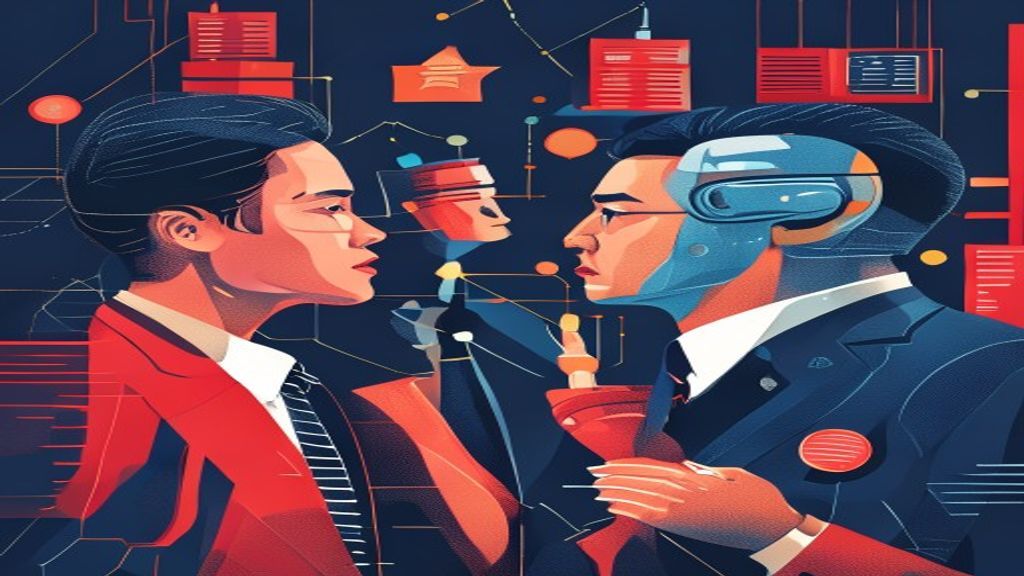
A lifestyle influencer standing in front of an American flag talking about AI innovation sounds like a tech ad. It is — except the organization paying for it deliberately kept its name off the label.
Build American AI, a dark-money group connected to a $100 million super PAC called Leading the Future, has been quietly funding a two-phase influencer campaign across TikTok and Instagram. The super PAC counts tech figures affiliated with OpenAI and Palantir among its backers. And the campaign's current phase has one clear mission: make everyday Americans scared of China's AI ambitions.
Influencers are reportedly being offered $5,000 per TikTok video to carry messaging that frames China's rise in artificial intelligence as a direct threat to American safety, jobs, and personal data. Sample scripts handed to creators include lines about China trying to steal data from "me and my kids" — the kind of language designed to feel personal and urgent rather than political.
The influencer marketing agency running the campaign, SM4, was pitching creators under the premise of promoting American AI innovation. WIRED only uncovered the full picture because the outlet's own reporter received one of those pitches. Several other creators later confirmed they'd gotten similar outreach.
What makes this worth paying attention to isn't just the money or the messaging — it's the architecture. Dark-money groups exist precisely because they don't have to disclose donors the way traditional PACs do. Pair that with influencer marketing, where the line between genuine opinion and paid promotion is already blurry, and you have a machine built for plausible deniability at scale.
Some creators passed. An ecologist with over 130,000 Instagram followers said the combination of vague AI cheerleading and pointed anti-China rhetoric felt wrong to him. He put it plainly: the current AI industry is being driven by unchecked greed, and slapping a patriotism filter on top of that doesn't change what's underneath.
The spokesperson for Leading the Future framed the whole thing as a straightforward communications effort to keep America competitive in AI. And look — the underlying argument isn't entirely without merit. The US and China really are in a serious race for AI dominance, and that race has real stakes. But there's a meaningful difference between making that case transparently and laundering it through lifestyle content creators who post about travel and home decor.
The deeper issue is that this campaign is essentially using the influencer economy's existing credibility gap against the public. Followers trust creators they've followed for years. Dropping geopolitical talking points into that relationship, without clear disclosure of who's actually driving the message, corrodes something that's already fragile.
As AI becomes a bigger political football heading into the next election cycle, expect this kind of operation to get more sophisticated, not less. The $5,000-per-video rate is practically a rounding error for a $100 million PAC.
Enjoyed this?
Get stories like this delivered every Tuesday — free.