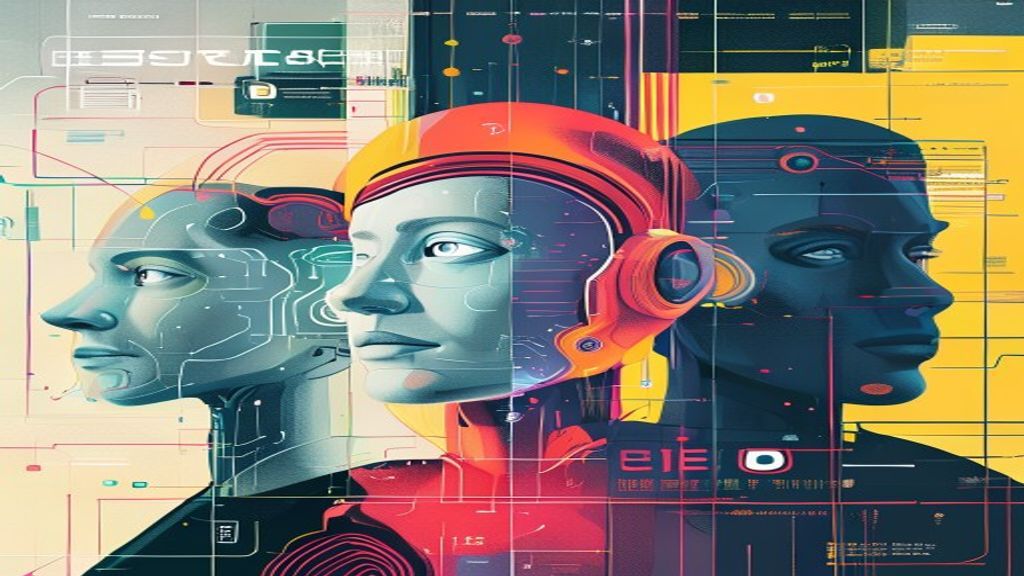
Microsoft just threw down the gauntlet against its own AI partner. Despite being OpenAI's biggest investor and closest collaborator, the tech giant quietly launched three competing AI models that directly challenge ChatGPT's dominance.
This isn't just corporate strategy—it's survival. Microsoft has poured over $13 billion into OpenAI, but that relationship increasingly feels like a Faustian bargain. OpenAI controls the underlying technology that powers Microsoft's AI future, from Copilot to Azure AI services. That's a dangerous dependency for any company, especially one trying to compete with Google's growing AI empire.
The three new models represent Microsoft's bid for independence. While details remain sparse, these aren't just tweaked versions of existing tech—they're built from the ground up in Microsoft's own labs. Think of it as the company's insurance policy against OpenAI potentially becoming a competitor or, worse, getting acquired by someone else.
Timing matters here. OpenAI has been making noises about developing its own search engine and productivity tools—Microsoft's core businesses. Sam Altman's company is also reportedly raising funds at a $100 billion valuation, making it less dependent on Microsoft's cash. The power dynamic is shifting, and Microsoft knows it.
This move mirrors what happened in the smartphone wars. Apple initially relied on Google for maps and search, then built its own alternatives when the relationship soured. Microsoft is essentially doing the same thing with AI—maintaining the partnership while quietly building escape routes.
The broader implications are huge for the AI industry. If Microsoft can match OpenAI's performance with homegrown models, it removes a major competitive bottleneck. Other tech giants watching this space—Amazon, Meta, Google—are likely taking notes about vertical integration strategies.
For developers and businesses, this could mean more options and potentially lower costs. Competition typically drives innovation and price wars, both good things for customers currently locked into expensive AI service contracts.
But there's a risk here too. If every major tech company builds its own AI stack, we might end up with incompatible ecosystems—think iOS versus Android, but for artificial intelligence. That could slow adoption and fragment the market just as AI is hitting mainstream acceptance.
The real test isn't whether Microsoft can build competitive models—it's whether they can do it while maintaining their OpenAI partnership. That's a delicate balancing act that could reshape the entire AI landscape.
SECURITY
CBP Security Codes Leaked Through Online Study Flashcards
Someone just turned America's border security into a public study guide. Highly classified Customs and Border Protection facility codes, gate combinations, and operational procedures were sitting on Quizlet—the same platform college kids use to cram for finals—for over a month before anyone noticed.
The "USBP Review" flashcard set contained everything a bad actor might need: four-digit door codes, specific gate combinations, and detailed information about CBP's operational zones around Kingsville, Texas. It's like leaving your house keys on the sidewalk with your address attached.
This isn't just embarrassing—it's a national security nightmare. CBP processes over a billion border crossings annually and seized $4.7 billion worth of illegal drugs last year. Their facilities need to be fortresses, not open books. When checkpoint door codes are more accessible than your Netflix password, something has gone seriously wrong.
The timing makes it worse. Immigration and border security dominate political headlines, with lawmakers demanding tighter controls and better enforcement. Meanwhile, sensitive operational details are literally available for public study sessions. The irony would be hilarious if it weren't so dangerous.
Quizlet pulled the content after WIRED started asking questions, but the internet never forgets. Screenshots, cached versions, and downloaded copies could still be circulating. That means CBP likely needs to change every code, review every procedure, and potentially redesign security protocols at multiple facilities.
The human element here is telling. This wasn't a sophisticated cyber attack or state-sponsored hacking—it was probably just someone trying to study for work. But good intentions don't matter when you're dealing with national security. One person's study aid became everyone's security vulnerability.
This incident highlights a broader problem with information security training. Government workers clearly understand they shouldn't email classified documents or post them on social media. But digital study tools? That's a gray area that apparently isn't covered in security briefings.
The financial impact could be substantial. Changing security systems, retraining personnel, and implementing new protocols costs serious money. CBP's budget is already stretched thin, and this self-inflicted wound diverts resources from actual border protection.
For other government agencies, this should be a wake-up call. How many similar security breaches are hiding in plain sight on study platforms, cloud storage, or social networks? The digitization of work has created new attack vectors that traditional security thinking hasn't caught up with yet.
CBP says they're reviewing the incident, which is bureaucrat-speak for "we're figuring out how badly we messed up." But reviews don't protect facilities—new codes and better training do.
Source: Ars Technica
The "USBP Review" flashcard set contained everything a bad actor might need: four-digit door codes, specific gate combinations, and detailed information about CBP's operational zones around Kingsville, Texas. It's like leaving your house keys on the sidewalk with your address attached.
This isn't just embarrassing—it's a national security nightmare. CBP processes over a billion border crossings annually and seized $4.7 billion worth of illegal drugs last year. Their facilities need to be fortresses, not open books. When checkpoint door codes are more accessible than your Netflix password, something has gone seriously wrong.
The timing makes it worse. Immigration and border security dominate political headlines, with lawmakers demanding tighter controls and better enforcement. Meanwhile, sensitive operational details are literally available for public study sessions. The irony would be hilarious if it weren't so dangerous.
Quizlet pulled the content after WIRED started asking questions, but the internet never forgets. Screenshots, cached versions, and downloaded copies could still be circulating. That means CBP likely needs to change every code, review every procedure, and potentially redesign security protocols at multiple facilities.
The human element here is telling. This wasn't a sophisticated cyber attack or state-sponsored hacking—it was probably just someone trying to study for work. But good intentions don't matter when you're dealing with national security. One person's study aid became everyone's security vulnerability.
This incident highlights a broader problem with information security training. Government workers clearly understand they shouldn't email classified documents or post them on social media. But digital study tools? That's a gray area that apparently isn't covered in security briefings.
The financial impact could be substantial. Changing security systems, retraining personnel, and implementing new protocols costs serious money. CBP's budget is already stretched thin, and this self-inflicted wound diverts resources from actual border protection.
For other government agencies, this should be a wake-up call. How many similar security breaches are hiding in plain sight on study platforms, cloud storage, or social networks? The digitization of work has created new attack vectors that traditional security thinking hasn't caught up with yet.
CBP says they're reviewing the incident, which is bureaucrat-speak for "we're figuring out how badly we messed up." But reviews don't protect facilities—new codes and better training do.
Enjoyed this?
Get stories like this delivered every Tuesday — free.